
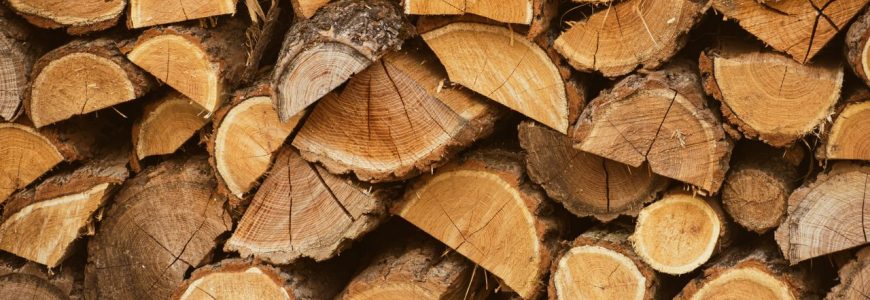
Choosing firewood for your home is about more than simply finding logs that burn. The type of wood you select can affect how easily a fire starts, how long it lasts, the amount of heat produced, and how much smoke and residue are created. For households that rely on fireplaces, wood-burning stoves or outdoor braais during colder weather, making an informed choice can improve both comfort and safety.
Local conditions also matter. Homeowners looking for firewood Tokai options may encounter different wood types, moisture levels, sizes and pricing structures. Understanding what separates good firewood from poorly prepared wood makes it easier to compare suppliers and choose fuel that suits your household.
The best choice depends on how you intend to use the wood. A small indoor fireplace may require different characteristics from an outdoor cooking fire, while occasional users may have different priorities from households that burn wood regularly throughout winter. Before buying a large quantity, it is worth considering the characteristics that influence performance.
Understand What Makes Firewood Suitable for Burning
Good firewood should generally be dry, properly seasoned and suitable for the appliance or fire in which it will be used. Freshly cut wood contains a significant amount of moisture, and burning wet or insufficiently seasoned logs can result in inefficient combustion.
Moisture is particularly important because energy is used to evaporate water before the wood can burn effectively. As a result, damp logs may produce less useful heat while creating more smoke. They can also make fires harder to maintain.
Seasoned firewood has been stored under appropriate conditions for enough time to lose much of its excess moisture. The exact drying period varies according to species, log size, climate and storage conditions, so the term “seasoned” should not be treated as a guarantee of a particular moisture level.
Wood should also be clean and free from obvious contamination. Avoid burning timber that has been painted, varnished, chemically treated or otherwise manufactured for a purpose other than use as firewood. These materials can release unwanted substances when burned.
Consider the Type of Wood You Need
Different species have different burning characteristics. Some varieties ignite relatively easily and are useful for getting a fire established, while denser hardwoods can provide sustained heat and longer-lasting embers.
Hardwoods are often preferred when the main objective is prolonged heating. Their greater density means a well-dried log can burn for a considerable period, although the actual performance still depends on moisture content, log size, airflow and the design of the fireplace or stove.
Softer woods can have useful applications too. They may catch fire more readily and can be practical for starting a fire. However, they may burn faster than denser species, meaning more frequent replenishment can be necessary.
Rather than assuming that one particular species is always best, consider the purpose of the fire. Heating, cooking and creating an outdoor atmosphere can each place different demands on your fuel.
Decide What You Want the Fire to Do
Before purchasing firewood, identify your primary reason for burning it. This simple step can prevent you from buying wood that does not match your needs.
For example, someone using a fireplace primarily for supplementary warmth may prioritise steady heat and longer burn times. Someone preparing food over an open fire may be more concerned with producing suitable cooking heat and clean-burning fuel.
Your fire frequency also matters. If you only light a fireplace occasionally, purchasing a very large supply may not be practical unless you have a suitable storage area. Conversely, households that use wood regularly during winter may benefit from planning their supply in advance.
Think about these factors before ordering:
- How often the fire will be used
- Whether the wood is for heating or cooking
- The size of the fireplace, stove or braai
- Available storage space
- How long you want individual logs to burn
Matching the wood to the application is usually more useful than focusing solely on price per bag or load.
Check the Moisture Level Before Buying
Moisture content is one of the most important considerations when selecting firewood. Wood that appears dry on the outside is not necessarily sufficiently dry throughout, particularly when logs have recently been split.
Properly dried firewood tends to be lighter than freshly cut wood and may show visible cracks at the ends. However, appearance alone is not a reliable way to determine moisture content. A moisture meter can provide a more objective indication when there is uncertainty.
For indoor heating, choosing appropriately dry wood is particularly important because excessive moisture can contribute to smoky combustion and deposits within a chimney or flue. The appliance manufacturer’s instructions should always take priority when they specify particular fuel requirements.
It is also worth asking a supplier when the wood was cut and how it has been stored. A transparent supplier should be able to explain whether the logs have been seasoned and what steps were taken to keep them dry.
Choose the Right Log Size
Log dimensions can have a surprisingly large effect on how easily a fire burns. Very large logs may take longer to ignite, while very small pieces can burn quickly and require more frequent replacement.
The correct size depends partly on the fireplace or stove. Logs should fit comfortably inside the firebox without being forced into position. Overloading an appliance can interfere with airflow and may increase the risk of unsafe operation.
Smaller pieces can be useful when starting a fire, particularly alongside suitable kindling. Larger, well-seasoned logs can then be added once a strong bed of embers has developed.
When ordering a delivery, confirm the approximate length and thickness of the logs rather than assuming all firewood loads are prepared to the same specification.
Compare Suppliers Carefully
The supplier you choose can influence the quality and consistency of the firewood as much as the species itself. Two loads described using the same general term can differ considerably in moisture, log size and preparation.
When comparing local suppliers, avoid looking only at the advertised price. A cheaper load may not represent better value if much of the wood is damp, poorly sized or unsuitable for your appliance.
A useful comparison process is:
- Ask what type of wood is being supplied and whether it is hardwood, softwood or a mixture.
- Ask whether the wood has been seasoned and how it has been stored.
- Confirm the approximate quantity and log dimensions before placing an order.
- Find out whether delivery conditions or minimum order sizes apply.
- Check that the wood is intended for the type of fire you plan to use.
Clear answers to these questions can help distinguish a professional supplier from one that provides limited information about its products.
Think About How Firewood Is Measured
Firewood can be sold by different measures, including bags, bundles, loads or volume-based quantities. This can make direct price comparisons difficult.
A “load” is not necessarily the same quantity from every supplier. Vehicle size, stacking method and the dimensions of individual logs can all influence the amount of usable wood delivered.
For this reason, ask what quantity you are actually receiving. If one supplier quotes a price for a large pile and another quotes a price for a specified volume, comparing the headline figures alone can be misleading.
The way wood is stacked also affects how much space it occupies. Gaps between logs mean that a loosely thrown pile and a neatly stacked volume may not represent the same amount of solid timber.
Understanding the measurement helps you make a more meaningful comparison and plan your storage area before delivery.
Store Your Firewood Correctly
Even high-quality firewood can become less useful if it is stored poorly. The objective is to protect the wood from persistent moisture while allowing air to circulate around it.
A covered, well-ventilated storage area is generally preferable to an enclosed, damp space. Firewood should not normally be placed directly on bare ground because moisture can move from the soil into the lower logs.
Stacking the wood with some space between pieces encourages airflow. A roof or suitable cover can help protect the pile from rain, but completely wrapping wet wood in an airtight covering can restrict ventilation and slow drying.
A practical storage approach involves several steps:
- Select a raised, stable surface away from standing water.
- Stack the logs so air can move through the pile.
- Keep the top protected from rain while allowing the sides to remain ventilated.
- Store the wood away from ignition sources and in accordance with local fire-safety requirements.
- Rotate older, properly dried wood into use rather than continually adding new logs to the same pile.
Good storage is particularly important when buying firewood before the coldest part of the season. Protecting the supply helps preserve the condition of the wood until it is needed.
Consider Fire Safety in the Home
Firewood should always be used according to the instructions for the fireplace, stove or other appliance. If you are uncertain about what fuel is appropriate, consult the appliance manufacturer or a suitably qualified professional.
Indoor fires require particular care because poor ventilation, damaged equipment or blocked flues can create serious hazards. Chimneys and flues should be inspected and maintained according to the relevant manufacturer’s recommendations and local requirements.
Do not use a fireplace or stove as a general waste-burning system. Household rubbish, plastics, painted timber and treated materials can create harmful emissions and may damage the appliance or flue.
Keep combustible materials at a safe distance from the fire and use suitable screens or protective measures where appropriate. Children should also be kept away from active fires and hot surfaces.
Look Beyond Price When Buying Firewood
Price is an important part of any household purchase, but it should not be the only consideration. Firewood that burns efficiently may provide better value than a cheaper supply that contains excessive moisture or inconsistent pieces.
Consider the usable heat you are likely to receive from the purchase rather than simply the amount of wood delivered. A large quantity of damp logs may occupy plenty of storage space without providing the performance expected from properly dried fuel.
Delivery reliability can also matter. If you are purchasing firewood for regular winter use, a supplier that provides clear information about quantities, wood types and delivery arrangements can make planning considerably easier.
For homeowners researching firewood in Tokai supplies, comparing preparation standards and product information can therefore be just as important as comparing prices. Local availability may vary, so ordering ahead can also be sensible when seasonal demand increases.
Know When Your Firewood Is Not Suitable
Not every piece of wood belongs in a fireplace. Some warning signs are obvious, while others require closer inspection.
Wood that is visibly mouldy, contaminated or unusually wet should be treated cautiously. Similarly, timber with paint, coatings, chemical treatment or other unknown substances should not be used as ordinary firewood.
A particularly smoky fire can also indicate a problem with the fuel, airflow, chimney or appliance. Smoke performance should not automatically be blamed on the wood alone.
If a fire behaves unusually, produces persistent excessive smoke or fails to burn properly despite using suitable dry wood, stop and investigate the cause rather than simply adding more fuel.
Build a Firewood Supply That Matches Your Household
There is no single perfect firewood choice for every home. The best option depends on the appliance, intended use, local climate, storage arrangements and how frequently the fire will be used.
A household that uses a fireplace every evening during winter may prioritise dense, well-seasoned logs and reliable deliveries. Someone who occasionally lights an outdoor fire may prefer a smaller supply containing pieces that are easy to handle and ignite.
Planning ahead can also reduce last-minute purchases when demand is high. Buying a suitable quantity, storing it correctly and checking its condition before the cold season arrives can make the entire process more convenient.
Ultimately, good firewood should be appropriately prepared, sufficiently dry, suitable for the intended appliance and stored in a way that protects its quality. Taking the time to assess these factors can help households get more consistent performance from every fire while supporting safer and more efficient wood burning.