
Electrical safety isn’t something most homeowners think about daily, yet it quietly underpins every modern household. From lighting and appliances to security systems, your entire property depends on compliant wiring. When things go wrong, the risks are serious—ranging from equipment damage to fire hazards.
That’s where certification becomes critical. A properly issued Electrical Certificate of Compliance confirms that your installation meets legal and safety standards. It’s not just paperwork; it’s proof that your home’s electrical system has been inspected and deemed safe for use.
Many homeowners only encounter this requirement during property transactions or renovations. However, understanding what a COC electrician actually does—and why their role matters—can help you avoid costly mistakes and ensure your home remains protected over time.
What an Electrical Certificate of Compliance Really Means
An Electrical Certificate of Compliance, often referred to as a COC, is a formal document issued after a thorough inspection of a property’s electrical installation. It verifies that the system complies with national safety regulations and is safe for continued use.
This certificate is not optional in many scenarios. It is legally required when selling a property and often necessary after significant electrical work. Without it, transactions can stall, and liability risks increase.
The inspection itself covers a wide range of components. Wiring, distribution boards, earthing systems, and protective devices are all assessed to ensure they meet regulatory standards.
When Homeowners Need a Certificate
Many people assume a certificate is only needed when selling a home. That’s a common misconception.
In reality, there are several situations where obtaining or updating a certificate is essential. Being aware of these can prevent delays and compliance issues.
- Property sales and transfers, where legal proof of compliance is required
- Major renovations or extensions involving electrical changes
- Installing high-load appliances like geysers or solar systems
- After damage caused by storms, fire, or electrical faults
- When older properties have outdated or undocumented wiring
Ignoring these triggers can result in penalties or unsafe living conditions.
What a COC Electrician Inspects
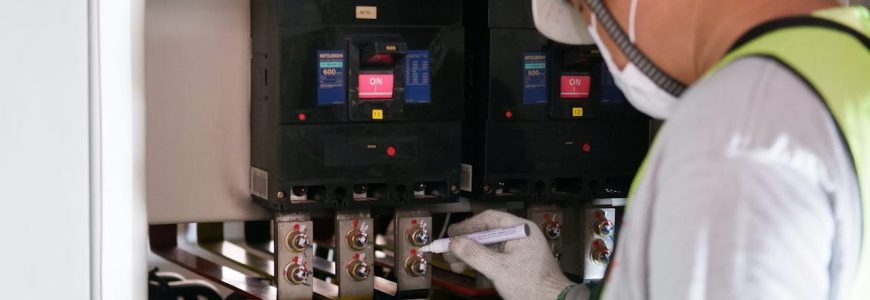
A qualified professional doesn’t just glance at your fuse box and sign off. The process is detailed and methodical.
Every aspect of the electrical system is tested against safety benchmarks. This ensures that both visible and hidden risks are identified before certification is issued.
- Distribution boards checked for correct wiring and labeling
- Earth leakage devices tested for proper functionality
- Wiring inspected for wear, damage, or improper connections
- Plug points and switches verified for safe installation
- Bonding and earthing systems evaluated for compliance
If any issues are found, they must be corrected before the certificate can be issued. This ensures that the final document reflects a genuinely safe installation.
Why Compliance Matters for Safety
Electrical faults are one of the leading causes of residential fires. Faulty wiring, overloaded circuits, and poor installations can all create dangerous conditions.
A compliant system significantly reduces these risks. It ensures that protective devices function correctly and that wiring is capable of handling the electrical load.
Beyond immediate safety, compliance also protects your investment. Electrical damage can lead to expensive repairs, appliance failure, and even structural issues if left unchecked.
Insurance is another factor. Many insurers require proof of compliance when processing claims related to electrical damage. Without a valid certificate, claims may be denied.
Common Issues Found During Inspections
Even relatively modern homes can fail an inspection. Electrical systems degrade over time, and previous work may not always meet current standards.
Some problems are minor and easy to fix. Others may require more extensive repairs or upgrades.
Loose connections are a frequent issue. They can cause overheating and intermittent faults.
Incorrect wiring is another common problem. This includes reversed polarity or improperly connected circuits, which can pose serious risks.
Outdated components often fail to meet current regulations. Older distribution boards, for example, may lack essential safety features.
In some cases, DIY electrical work is to blame. While well-intentioned, unqualified installations rarely meet compliance standards and can be dangerous.
How to Choose the Right Professional
Not all electricians are qualified to issue compliance certificates. This is a specialized area that requires proper registration and expertise.
Choosing the right professional is essential for both safety and legal compliance.
Look for someone who is registered with the relevant regulatory authority. This ensures they are authorized to perform inspections and issue certificates.
Experience also matters. A seasoned inspector is more likely to identify subtle issues that others might miss.
Transparency is key. A reliable professional will explain findings clearly and provide a breakdown of any required repairs.
Avoid choosing based solely on price. Extremely low quotes can indicate rushed inspections or incomplete assessments.
The Cost Factor and What Influences It
The cost of obtaining a certificate can vary widely. Several factors influence the final price.
Property size is a major consideration. Larger homes typically require more time and effort to inspect.
The condition of the electrical system also plays a role. Homes with outdated or faulty installations may require additional work before certification.
Accessibility can affect pricing as well. Hard-to-reach areas or complex wiring layouts can increase inspection time.
It’s important to view this as an investment rather than an expense. Paying for a thorough inspection now can prevent far more costly problems later.
Maintaining Compliance Over Time
A certificate is not a once-off guarantee of safety. Electrical systems continue to age and can develop faults over time.
Regular checks are essential, especially in older properties. Staying proactive helps maintain compliance and reduces the risk of unexpected issues.
Simple habits can make a big difference. Avoid overloading circuits, address faults promptly, and ensure any new installations are professionally handled.
Keeping documentation up to date is also important. If you’ve had work done, make sure it’s properly recorded and certified where necessary.
Working with a trusted COC electrician periodically can help you stay ahead of potential problems and ensure your home remains safe and compliant.
Electrical compliance may not be the most exciting aspect of homeownership, but it is one of the most important. Understanding the process, knowing when certification is required, and choosing the right professional all contribute to a safer living environment. With the right approach, you not only meet legal requirements but also protect your home, your finances, and the people who live in it.