
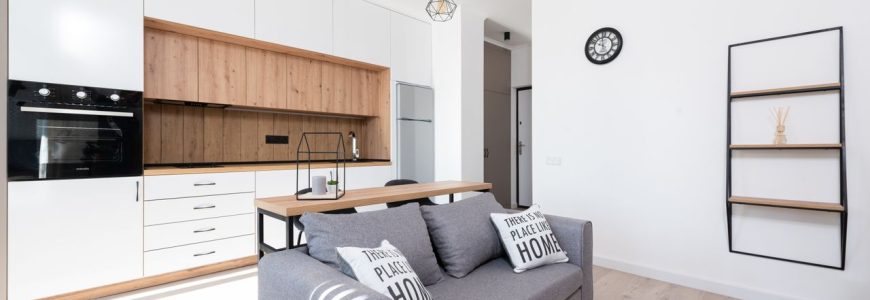
Cape Town offers a wide range of accommodation options, from compact city apartments to spacious properties designed for longer stays. For visitors who want more flexibility than a traditional hotel can provide, a furnished apartment can make it easier to settle into a temporary home while exploring the city.
Choosing the right accommodation involves more than looking at photographs or comparing nightly rates. Location, available facilities, privacy, comfort, safety considerations and the length of your stay can all influence whether a property is genuinely suitable. When comparing furnished apartments to rent in Cape Town, it is useful to consider how the space will work for your daily routine rather than focusing only on its appearance.
A comfortable place to stay can also make a Cape Town visit more convenient. Having access to a kitchen, living area and practical household facilities may be particularly useful for travellers staying for several days or weeks. With a little planning, you can narrow down the options and find accommodation that matches both your itinerary and your personal preferences.
Consider How Long You Will Be Staying
The length of your visit can influence the type of accommodation that makes sense. A short city break may require little more than a comfortable sleeping area, bathroom and convenient location. A longer stay can create different priorities.
Travellers staying for a week or more may appreciate having separate areas for sleeping, relaxing and preparing meals. Additional space can also make it easier to maintain a familiar routine, particularly when the accommodation becomes your base between outings.
Think about what you normally need during a typical day. If you expect to work remotely, for example, a suitable table, reliable internet access and a quiet environment may be important. If you plan to spend most of your time sightseeing, proximity to the places you intend to visit could matter more.
Choose a Location That Fits Your Plans
Cape Town covers a substantial area, and different neighbourhoods offer different surroundings and conveniences. Accommodation that looks appealing on a map may not necessarily be convenient for your particular itinerary.
Before booking, consider where you expect to spend most of your time. Your plans might include the city centre, beaches, restaurants, shopping areas, cultural attractions or business districts. Staying closer to your main activities can reduce unnecessary travel time.
Location can also affect the overall character of your stay. Some visitors prefer a lively environment with restaurants and attractions nearby, while others may want a quieter residential setting.
Useful location considerations include:
- Distance from your main activities and places you expect to visit
- Access to shops, restaurants and everyday services
- Transport options in the surrounding area
- The general character and convenience of the neighbourhood
It is worth checking the location from more than one perspective. A property may be close to one attraction but less convenient for other parts of your itinerary. Looking at the broader area can help you form a more realistic idea of what daily travel will be like.
Look Beyond the Photographs
Professional accommodation photographs can provide a useful first impression, but they rarely tell you everything about a property. Images may focus on attractive features while giving less attention to practical details.
Read the full property description carefully. Check what furniture and household facilities are actually included rather than assuming that everything shown or expected will be available.
Pay attention to the size and layout of the apartment as well. A property can have attractive furnishings but still feel restrictive if there is little storage or limited living space. For longer stays, these practical factors can become much more noticeable.
The condition of the property should also be considered. Clear information about maintenance, cleaning arrangements and included facilities can help prevent misunderstandings before arrival.
Check What Is Included
A furnished property should provide the basics needed for everyday living, but the exact inclusions can vary considerably between accommodation providers.
Kitchen equipment is one example. Some apartments are equipped for regular meal preparation, while others provide only limited cooking facilities. The distinction may not matter to someone who plans to eat out throughout their visit, but it can be significant for guests who prefer preparing some meals themselves.
Other useful facilities may include:
- Washing machine or access to laundry facilities
- Wi-Fi or internet connectivity
- Kitchen appliances and basic cooking equipment
- Comfortable seating and suitable sleeping arrangements
- Storage space for clothing and personal belongings
If a particular facility is essential to your stay, verify that it is specifically mentioned in the property information. Asking before booking can be easier than trying to resolve an unexpected issue after arrival.
Think About Comfort for Everyday Living
Comfort is not limited to the quality of a bed or the appearance of a living room. The overall layout and usability of the accommodation can make a significant difference.
Consider whether there is enough space to move around comfortably. A well-arranged apartment can feel practical even when it is relatively compact, while a poorly arranged space may become frustrating over time.
Temperature and ventilation are also worth considering. Cape Town’s weather can vary depending on the season and location, so suitable ventilation and climate-control options may be useful.
Natural light can influence the atmosphere of an apartment as well. While it should not be the only deciding factor, a bright and pleasant living area can make the accommodation more enjoyable during periods spent indoors.
Consider Privacy and Noise
One advantage of apartment-style accommodation is the opportunity to have more private living space than a conventional hotel room. However, the actual experience can vary depending on the building and surrounding environment.
Think about whether the property is in a busy area, near entertainment venues, or close to major roads. Noise may not be noticeable during the day but could become more relevant at night.
For travellers working remotely or staying for an extended period, a quieter environment can be particularly valuable. If information about noise levels is unclear, checking recent property details or asking the accommodation provider can help establish realistic expectations.
Privacy can also extend to the layout of the apartment. Separate living and sleeping areas may provide greater flexibility, particularly when two or more people are sharing the property.
Review Safety and Building Access Information
Accommodation should be evaluated with practical safety considerations in mind. Look for clear information about building access, entrances and the arrangements used for check-in.
It can also be useful to understand whether the property is located within a managed building or complex and whether access to common areas is controlled. These details can vary between properties, so they should not be assumed.
Travellers should also keep ordinary precautions in mind. Securely storing valuables, following building rules and paying attention to local conditions are sensible practices wherever you stay.
Reliable accommodation information should make important access and property arrangements reasonably clear before booking.
Compare the Total Cost
Price is naturally an important consideration, but the advertised accommodation rate may not represent the complete cost of a stay.
Check whether cleaning charges, service fees, deposits or other additional costs apply. If the property includes parking or other optional services, determine whether these are included or charged separately.
It can also be useful to compare properties based on what they provide rather than comparing the headline price alone. A slightly more expensive apartment could offer facilities that reduce other expenses during the trip, while a cheaper option may require additional spending elsewhere.
The goal is to understand the overall value and practical cost of the accommodation before making a booking.
Consider Your Daily Routine
A property should work for more than the first few hours after arrival. Think about how you expect to use the space throughout your visit.
If you enjoy preparing breakfast or simple meals, a functional kitchen may be useful. If you expect to spend evenings at home, comfortable seating and a pleasant living area could become more important. Someone travelling for work may have completely different priorities.
This is particularly relevant for extended stays. Small inconveniences that seem insignificant for one night can become much more noticeable after several days.
Creating a simple list of your non-negotiable requirements can make the selection process easier. Once those essentials are identified, secondary preferences can be compared between the remaining options.
Check the Booking and Cancellation Terms
Before confirming accommodation, read the booking conditions carefully. Cancellation policies can differ depending on the provider, dates and type of booking.
Pay attention to payment requirements and any stated deadlines. If a deposit is required, check the conditions relating to refunds and changes.
It is also useful to understand the check-in and check-out process. Some properties use staffed reception areas, while others rely on arranged access procedures. Knowing what to expect can make arrival smoother.
Clear terms are especially important when travel plans may change. Understanding the conditions before payment gives you a better basis for deciding whether the accommodation fits your circumstances.
Match the Apartment to Your Travel Style
There is no single accommodation setup that works equally well for every visitor. A solo traveller may prioritise location and simplicity, while a couple might want a comfortable living area and additional privacy.
Families or groups may need multiple sleeping spaces, sufficient bathroom facilities and a larger communal area. Business travellers may place greater importance on internet access, workspace and proximity to business districts.
Your travel style should therefore guide the search. Think about how much time you will spend inside the property and which facilities will actually contribute to a more convenient stay.
The most attractive accommodation on paper is not necessarily the most suitable option for your particular plans. A practical match between the property and your routine can have a much greater impact on your experience.
Take Time to Compare Your Options
Once you have identified several suitable properties, compare them using the same criteria. Looking at each option consistently can make differences easier to identify.
Consider the location, facilities, layout, cost and booking terms together rather than focusing on a single feature. Reviews and property information can provide additional context, although individual experiences naturally vary.
It is also sensible to verify important details before making payment. If something is unclear, ask the accommodation provider for clarification rather than relying on an assumption.
A little additional research can help you avoid choosing a property simply because it looks appealing in a photograph or appears inexpensive at first glance.
Make Your Cape Town Stay More Comfortable
Finding comfortable accommodation in Cape Town is largely about matching the property to the way you intend to travel. Location, space, facilities and everyday convenience all play a role, particularly when the stay extends beyond a few nights.
Furnished accommodation can provide a useful balance between the convenience of a temporary home and the flexibility of travelling. With careful comparison, you can identify a property that provides the practical facilities you need without adding unnecessary complications to your trip.
Before booking, take a moment to consider how the accommodation will support your actual routine. A suitable space should not only look comfortable when you arrive; it should continue to feel practical throughout your Cape Town visit.