
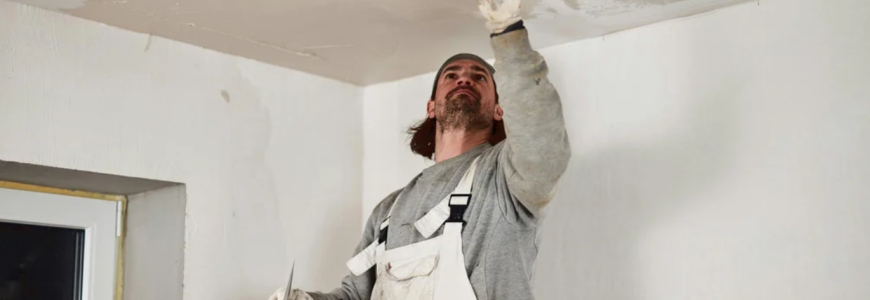
A ceiling installation or replacement can significantly affect the appearance, comfort, lighting, and functionality of a room. Whether you are renovating a home, finishing a new property, or replacing an old and damaged ceiling, choosing the right installer is an important part of the project. Poor workmanship can lead to visible imperfections, uneven surfaces, cracking, moisture-related problems, or additional repair costs.
Before you find ceiling installers near you, it is worth taking time to assess the company or professional you are considering. A contractor may offer an attractive price, but cost alone does not tell you whether the work will be completed properly or whether the quoted service includes everything your project requires. Experience, materials, preparation, workmanship, communication, and project terms all deserve attention.
A well-planned hiring process can also make it easier to compare quotations and avoid misunderstandings. By asking the right questions before work begins, you can establish what is included, what materials will be used, how long the project should take, and what happens if unexpected issues are discovered. These checks can help you make a more informed decision while protecting your property and budget.
Check the Installer’s Experience
One of the first things to consider is how much relevant experience the installer has. Ceiling work can involve different materials, construction methods, finishing requirements, and property conditions. An installer who regularly works with the type of ceiling you need may be better prepared to deal with the practical requirements of the project.
Ask how long the business has been providing ceiling installation or repair services and what types of projects it commonly handles. Residential renovations, commercial properties, new construction, suspended ceilings, bulkheads, and decorative ceilings can all involve different techniques.
Experience should not be judged solely by the number of years a business has existed. Ask whether the installer has completed projects similar to yours. A professional who can clearly explain how they would approach your particular ceiling may provide useful evidence of relevant experience.
Ask About Previous Work
Before committing to an installer, ask whether they can show examples of completed projects. Photographs can give you an idea of the quality and consistency of their workmanship, particularly when the examples are similar to the work you require.
Look at details rather than focusing only on the overall appearance. Check whether surfaces appear even, joints are neatly finished, corners are clean, and decorative elements have been installed consistently. These details can make a substantial difference once the ceiling is painted and exposed to normal lighting.
If possible, ask for references from previous customers. You do not necessarily need a long list of references, but speaking to someone who has previously used the contractor can provide useful information about communication, punctuality, cleanliness, and how the company handled problems.
Confirm What the Quote Includes
A written quotation should provide enough information for you to understand what you are paying for. Avoid relying on a verbal estimate when the project involves substantial work.
The quotation should ideally explain the scope of the installation, materials, labour, preparation, removal of an existing ceiling if required, finishing, and any other relevant services. If certain tasks are excluded, those exclusions should also be clear.
A low initial price can sometimes become more expensive if important items are left out of the original estimate. For example, preparation work, disposal of old materials, repairs to the supporting structure, or finishing may be charged separately.
Ask the installer to explain any part of the quotation that you do not understand. A professional should be able to describe the work and associated costs in straightforward terms.
Compare Materials and Ceiling Systems
Not every ceiling is constructed from the same materials. Depending on the property and intended result, options may include plasterboard, gypsum-based systems, suspended ceilings, decorative panels, or other suitable materials.
Ask which material the installer recommends and why. The appropriate choice can depend on factors such as room function, moisture exposure, insulation requirements, lighting plans, design preferences, and the existing structure.
It is also useful to understand whether the quotation specifies a particular product or simply describes a general material. Different products can have different characteristics, so knowing what will actually be installed helps you compare quotations more accurately.
Do not assume that the cheapest material is automatically the most appropriate. The ceiling forms part of the building’s interior environment, so durability, suitability, maintenance, and installation requirements should all be considered.
Inspect the Existing Ceiling and Structure
A reputable installer should assess the existing conditions before starting work. This is particularly important when replacing an old ceiling or working in a property with signs of water damage, movement, or deterioration.
The installer may need to inspect supporting structures, fixings, electrical considerations, existing moisture problems, and other factors that could affect the installation. Simply covering an underlying problem may not provide a durable solution.
For example, if a ceiling has been affected by a leak, the source of the moisture should be addressed before installing replacement materials. Similarly, structural or substrate problems may need to be resolved before a new ceiling can be properly secured.
Ask whether the quotation is based on a site inspection. If an installer provides a detailed price without seeing the property, find out what assumptions have been made and whether additional costs could arise after work starts.
Discuss Electrical and Lighting Requirements
Ceiling projects often interact with lighting and electrical installations. Recessed lights, pendant fittings, ventilation equipment, access panels, and other fixtures may need to be accommodated during installation.
Discuss your lighting plans before the ceiling is installed rather than after the work has been completed. This gives the relevant professionals an opportunity to coordinate positions and access requirements.
Electrical work should be handled by appropriately qualified professionals where required by local regulations. A ceiling installer may coordinate with an electrician, but this does not necessarily mean the installer is authorised or qualified to perform electrical work themselves.
Planning these details in advance can also reduce the likelihood of cutting or modifying a newly finished ceiling later.
Ask How Moisture Will Be Managed
Moisture is an important consideration in areas such as bathrooms, kitchens, laundries, and other spaces where humidity or water exposure may be higher. The appropriate materials and installation approach can differ depending on the environment.
Ask what materials and construction methods are recommended for the room. You can also ask how the installer intends to deal with ventilation, potential condensation, and any existing moisture problems.
If there is evidence of dampness, staining, mould, or recurring leaks, it is important to identify the underlying cause rather than simply installing a new surface over it. A ceiling installer should be able to identify concerns that may require attention from another specialist.
Verify Business and Contract Details
Before hiring a contractor, make sure you know who you are dealing with. Confirm the business name, contact details, quotation terms, payment arrangements, and any applicable registration or licensing requirements.
The exact legal and regulatory requirements can vary depending on the location and type of work. Where local rules require specific credentials, permits, or inspections, verify that the appropriate requirements will be met.
A written agreement can help both parties understand their responsibilities. It should cover the scope of work, estimated schedule, payment terms, materials, and how changes to the original project will be handled.
Be cautious about paying a large amount upfront without understanding the payment schedule and contractual terms. A staged payment arrangement may be appropriate for some projects, depending on the nature and size of the work.
Ask About the Project Timeline
Ceiling installation can affect other parts of a property, so it is useful to establish an expected schedule before work begins. Ask when the installer can start, how long the project is expected to take, and what circumstances could cause delays.
The estimated duration may depend on the size of the area, the ceiling system, preparation requirements, drying or curing times, access, and the condition of the existing structure.
A reliable contractor should be willing to explain the factors that could affect the schedule rather than guaranteeing an unrealistic completion date.
If the project involves multiple trades, such as electricians, painters, or other contractors, discuss how the work will be coordinated. Clear scheduling can reduce disruption and help prevent one trade from interfering with another.
Discuss Site Protection and Clean-Up
Ceiling installation can generate dust and construction waste. Materials may also need to be moved through the property, potentially affecting floors, furniture, walls, and other finished surfaces.
Ask what measures the installer will take to protect the work area. This could include covering floors, protecting furniture, limiting dust where practical, and keeping access routes organised.
Clarify whether removal and disposal of waste are included in the quotation. If old ceiling materials need to be removed, determine who is responsible for taking them away and whether disposal fees are included.
Good site management is not simply about appearance. Keeping a work area controlled can reduce unnecessary damage and make the renovation process easier for everyone involved.
Understand Guarantees and Aftercare
Before accepting a quotation, ask whether the installer provides any workmanship guarantee and what it covers. The terms should be clear rather than based on an informal promise.
Find out how long the guarantee lasts, what types of defects are covered, and how problems should be reported. Product warranties may be separate from workmanship guarantees, so ask which party is responsible if a material issue occurs.
It is also worth asking about maintenance. Some ceiling systems may have specific cleaning, access, or repair considerations. Understanding these requirements can help you care for the finished installation properly.
Keep copies of the quotation, agreement, invoices, product information, and warranty documentation. Having these records available can make it easier to resolve questions later.
Watch for Warning Signs Before Hiring
Several warning signs deserve closer attention during the hiring process. None automatically proves that a contractor is unsuitable, but they can indicate that you should ask additional questions before proceeding.
Pay attention if an installer is unwilling to provide a written quotation, avoids explaining the proposed materials, pressures you to make an immediate decision, or gives vague answers about the scope of work. Significant discrepancies between quotations should also be investigated rather than dismissed as simply a difference in price.
When you compare contractors, consider the complete proposal rather than focusing on a single figure. A quotation that includes better materials, appropriate preparation, professional finishing, waste removal, and clearly defined workmanship may look different from a basic price that excludes several of these elements.
Before signing an agreement, make sure you are comfortable with the answers to the main practical questions:
- Is the installer experienced with this type of ceiling?
- Has the property been properly assessed before quoting?
- Are the materials and installation methods clearly specified?
- Does the quotation explain inclusions and exclusions?
- Are electrical, lighting, moisture, and structural considerations addressed?
- Is the expected timeline realistic and clearly communicated?
- Are payment terms and changes to the project documented?
- Are workmanship guarantees and aftercare arrangements explained?
Take Time to Compare Your Options
Hiring a ceiling installer should involve more than searching for a contractor and accepting the first quotation. A ceiling is a long-term part of a building, and the quality of its installation can influence both its appearance and performance.
When looking for ceiling installers near me, compare their experience, proposed materials, scope of work, communication, pricing, and contractual terms. Ask questions before accepting an estimate, and make sure important details are documented.
Taking a little extra time before the work begins can help reduce misunderstandings and unexpected costs. More importantly, it gives you a clearer understanding of what the installer is proposing and whether the project has been planned around the specific requirements of your property.